
Coworking Spaces in Tokyo

All Locations in Tokyo
Level 8, Nittochi Nishi-Shinjuku Building
6-10-1 Nishi-Shinjuku Shinjuku-ku
Level 28, Shinagawa Intercity Tower A
2-15-1 Konan Minato-ku
Level 45, Sunshine 60
3-1-1 Higashi Ikebukuro Toshima-ku
Level 21, Shiodome Shibarikyu Building
1-2-3 Kaigan Minato-ku
Level 32, Shinjuku Nomura Building
1-26-2 Nishi Shinjuku Shinjuku-ku
Level 18, Yebisu Garden Place Tower
4-20-3 Ebisu Shibuya-ku
Level 11, Aoyama Palacio Tower
3-6-7 Kita-Aoyama Minato-ku
Level 8, Tri-Seven Roppongi
7-7-7 Roppongi, Minato-ku
Level 27, Shiroyama Trust Tower
4-3-1 Toranomon Minato-ku
Level 9, Ariake Frontier Building Tower B
3-7-26 Ariake Koto-ku
Level 20, Marunouchi Trust Tower – Main1-8-3 Marunouchi Chiyoda-ku
Level 11, TOHO Hibiya Promenade Building
1-5-2 Yurakucho Chiyoda-ku
Level 14, Hibiya Central Building
1-2-9 Nishi Shimbashi Minato-ku
Level 7, Wakamatsu Building
3-3-6 Nihonbashi-Honcho Chuo-ku
Level 7, The Nihonbashi Daiei Building
1-2-6 Nihonbashi-Muromachi Chuo-ku
Level 27, Tokyo Sankei Building
1-7-2 Otemachi Chiyoda-ku
Level 12, YANMAR TOKYO
2-1-1 Yaesu Chuo-ku
Level 1, Yusen Building
2-3-2 Marunouchi, Chiyoda-ku
Levels 2 & 3, Marunouchi Nijubashi Building
3-2-2 Marunouchi, Chiyoda-ku

Coworking Spaces in Tokyo, Japan

Find your ideal workspace in Tokyo with flexible coworking solutions. Whether you’re a freelancer seeking community, a startup needing room to grow, or a remote team looking for a professional base, Tokyo offers a diverse range of coworking spaces to match your working style and budget.

Why Tokyo is a Great Place to Cowork

Tokyo has a mature and diverse coworking scene that supports one of the world’s largest startup and corporate innovation ecosystems. Neighborhoods such as Shibuya, Shinjuku, Marunouchi, and Roppongi host a mix of early-stage startups, tech companies, and creative agencies, while areas like Ginza and Marunouchi attract finance and professional services. The city’s scale, reliable public transport, multilingual service providers, and dense business networks make it appealing to digital nomads, entrepreneurs, and remote workers seeking opportunities for collaboration and client access.

Types of Coworking Spaces Available in Tokyo

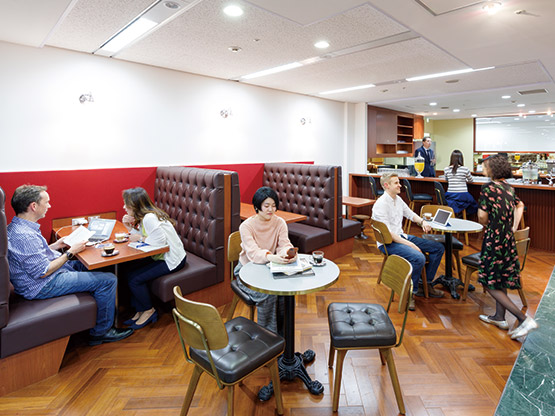
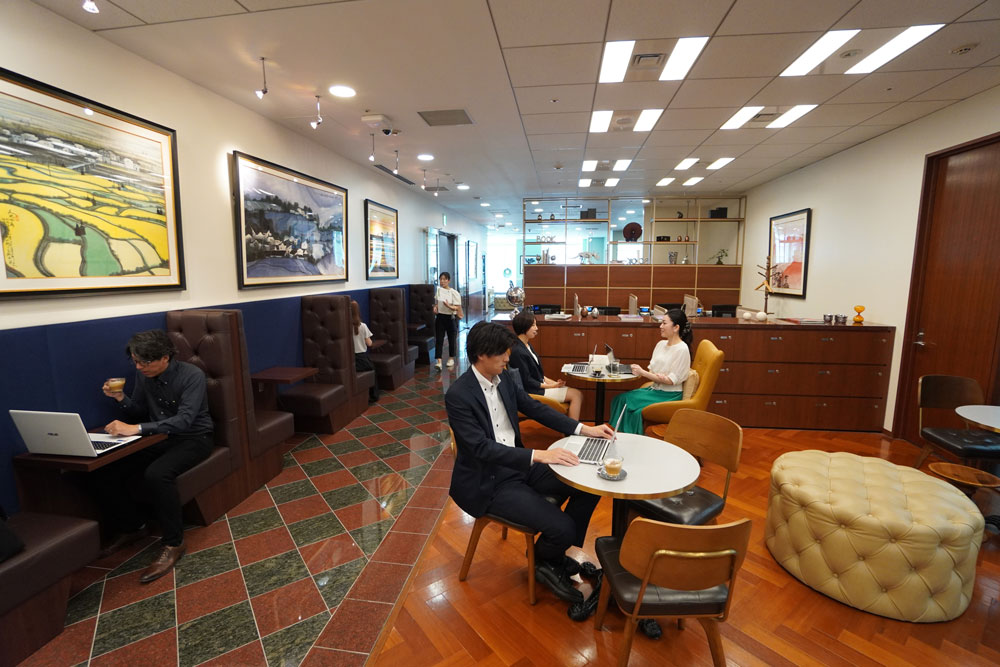
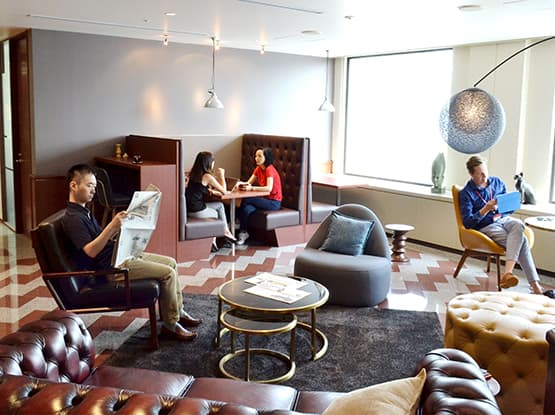
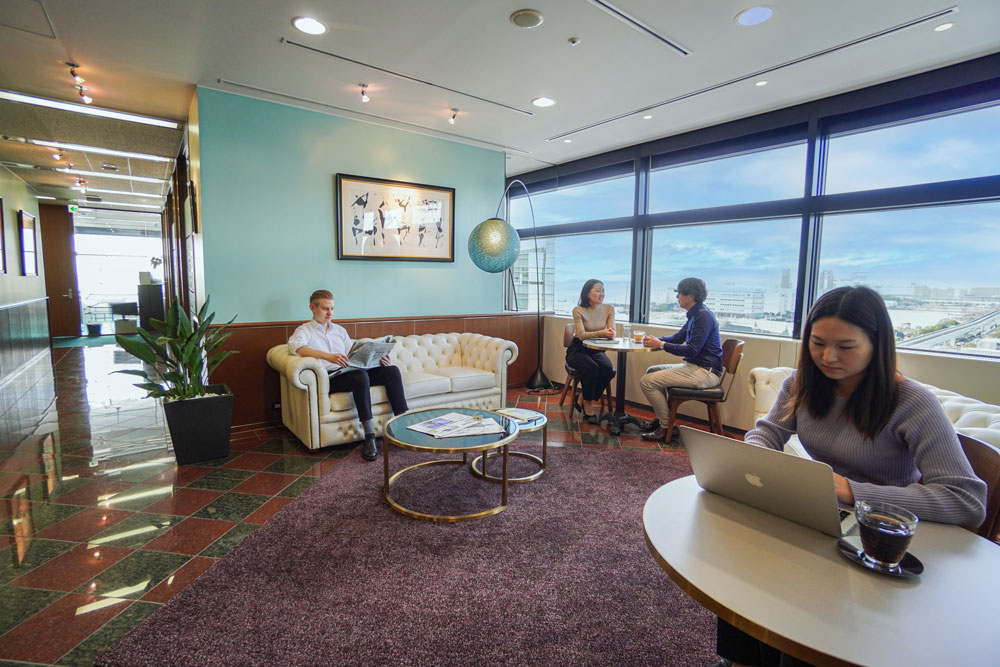
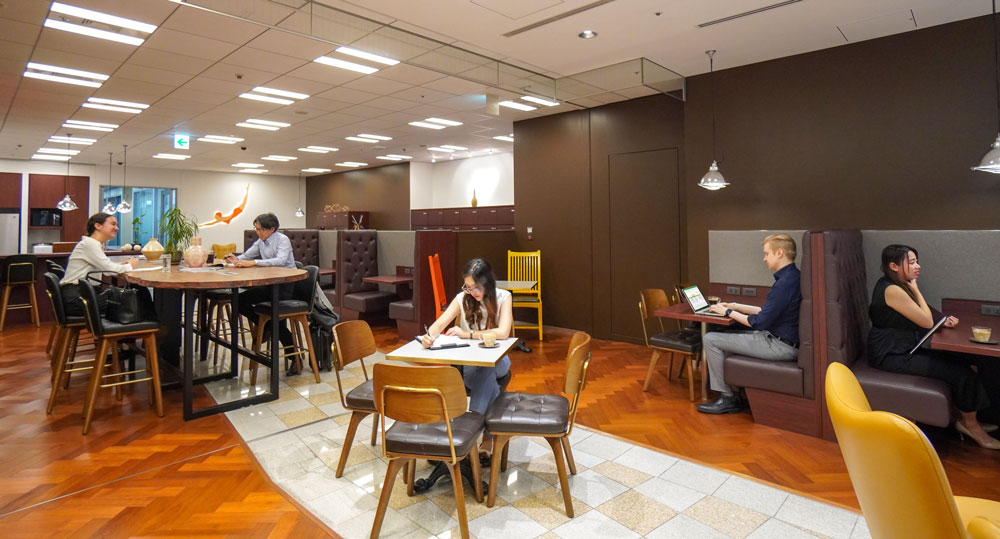
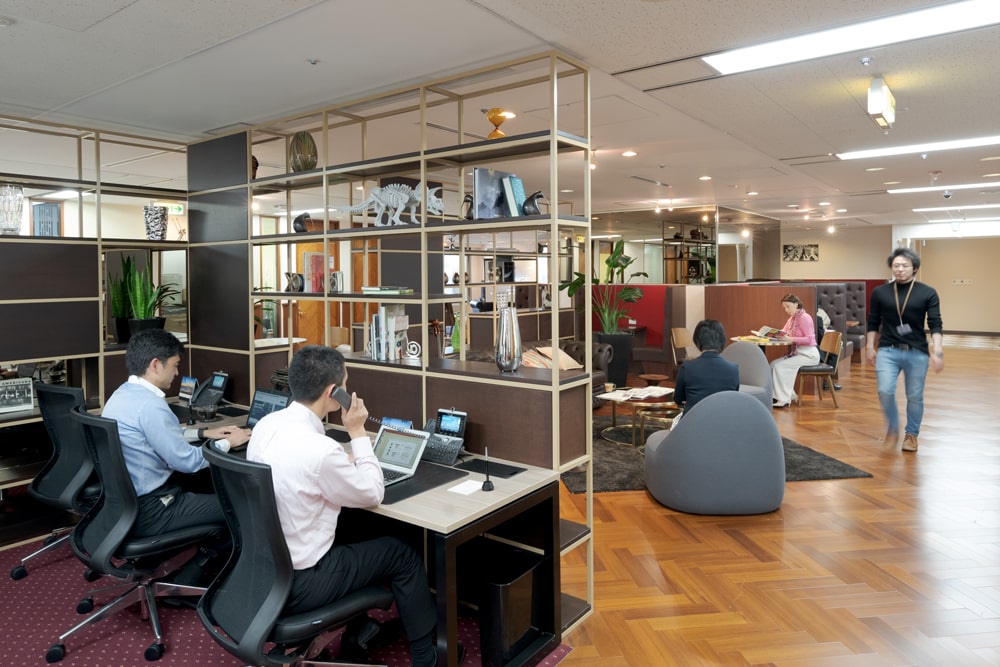
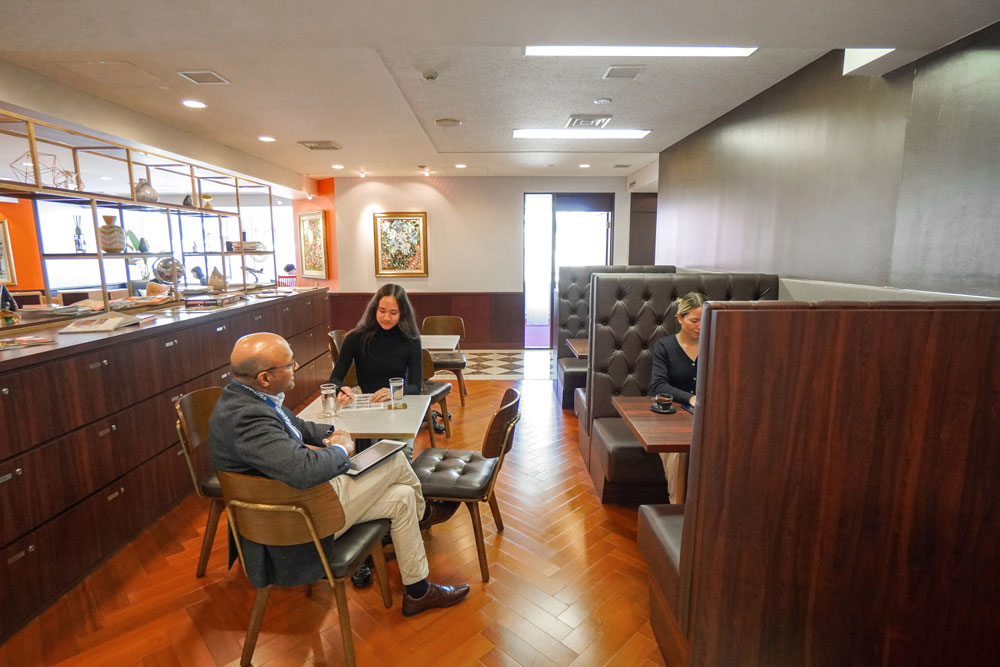
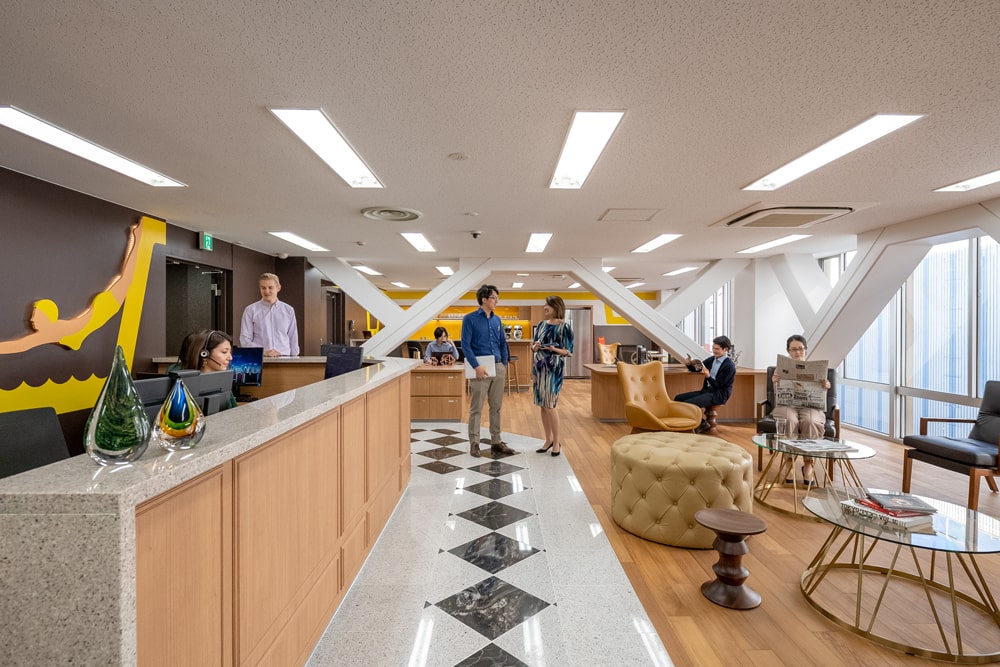
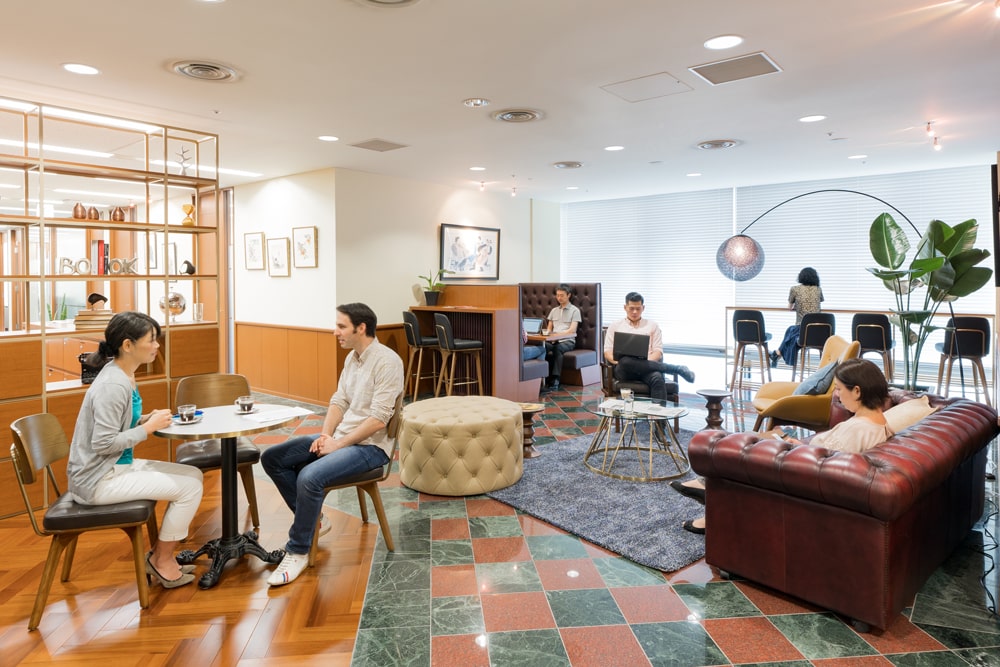
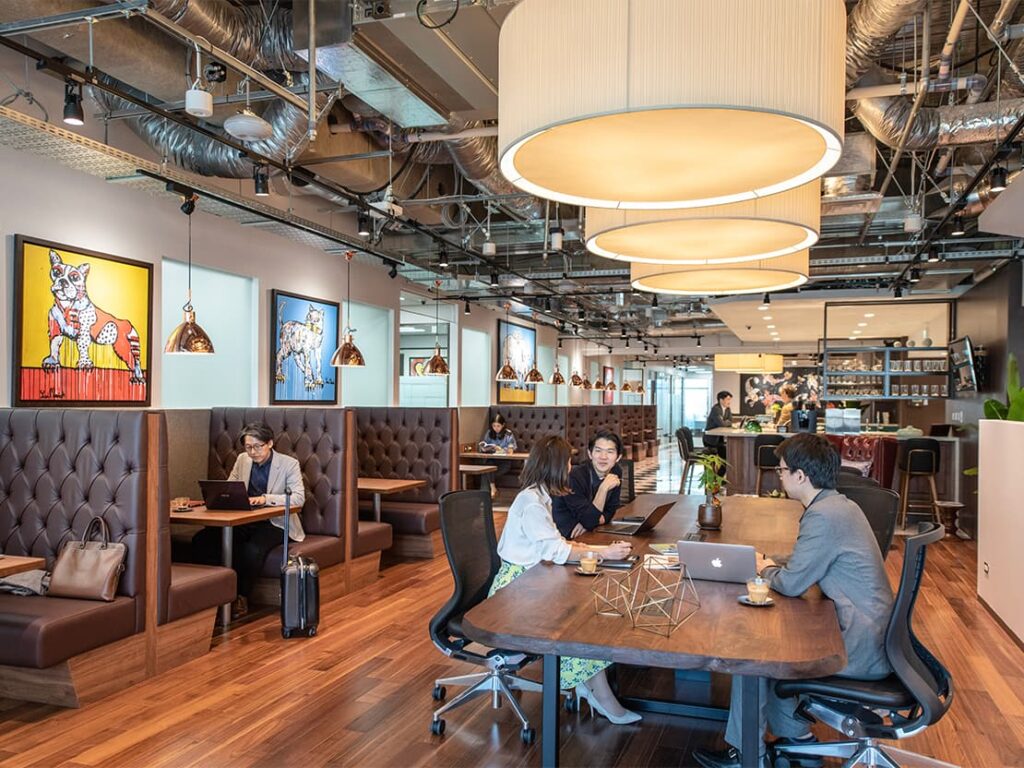
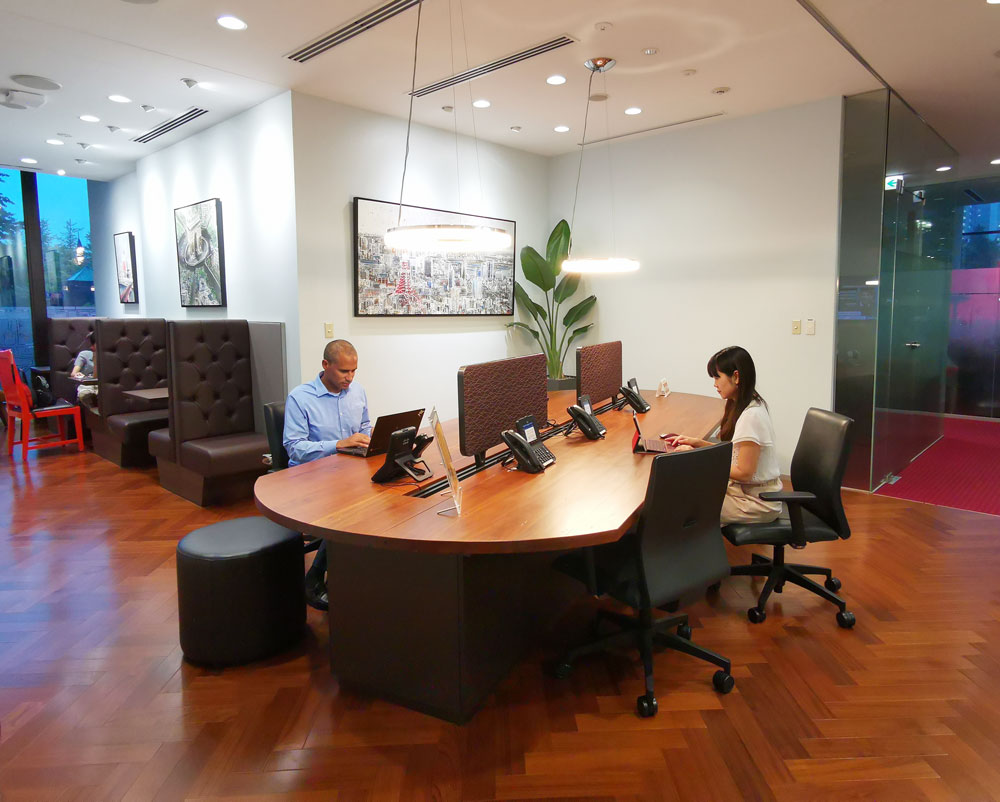
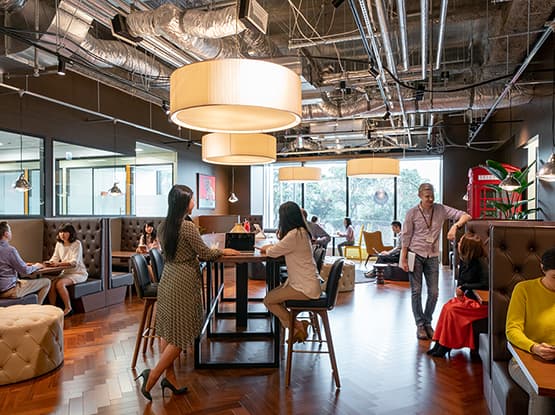
Coworking spaces in Tokyo range from casual coffee-shop-style environments to premium business centres with full amenities.

  • Hot desks and flexible seating for drop-in work
  • Dedicated desks for regular members
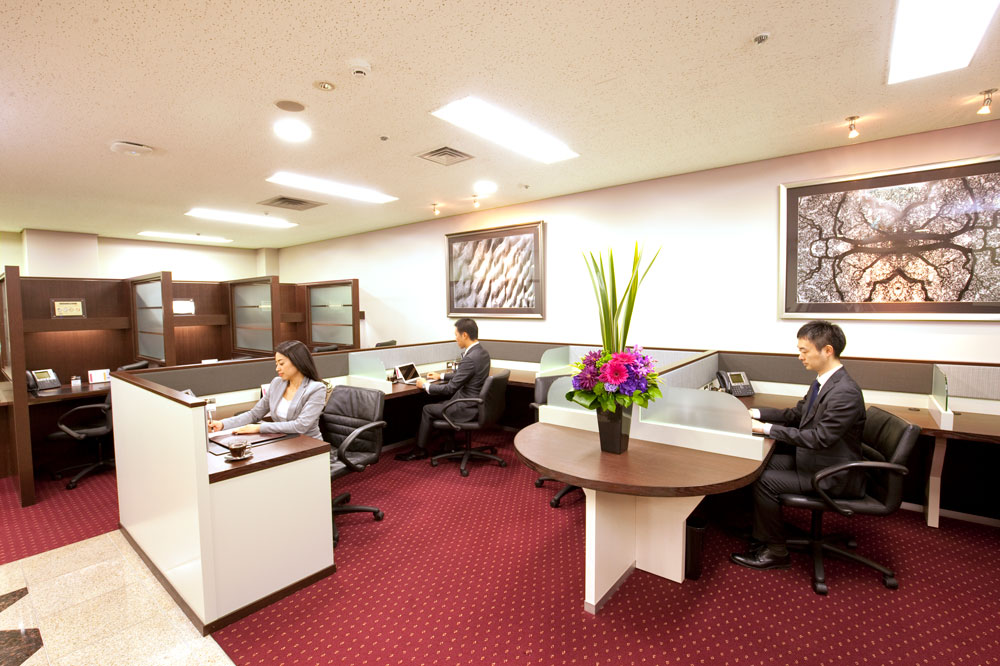
  • Private offices within coworking environments
  • Meeting rooms and event spaces for workshops and client meetings
  • Enterprise solutions for larger teams and satellite offices
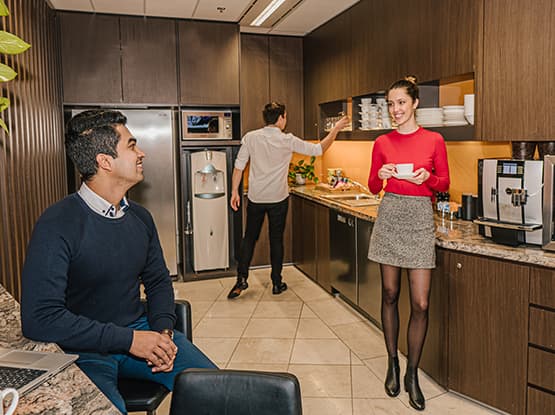
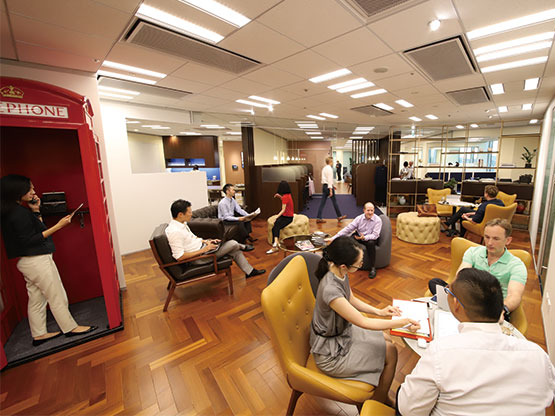
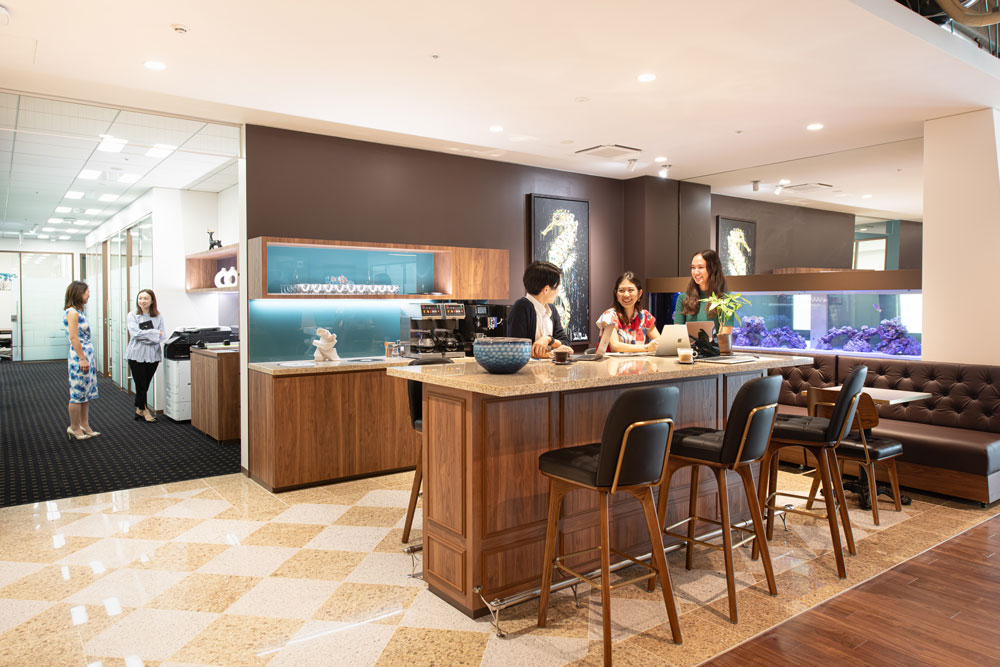
  • Amenities commonly offered: high-speed WiFi, printing and scanning, kitchen facilities, phone booths, lockers, reception services, and multilingual support

Popular Coworking Neighborhoods in Tokyo

Most coworking spaces are concentrated in central business districts and creative hubs. Shibuya is known for tech startups and a youthful entrepreneurial scene; Shinjuku offers large well-connected centres near major transport hubs; Marunouchi and Ginza cater to corporate and finance clients close to Tokyo Station; Roppongi attracts international teams and design-oriented spaces; Akihabara and Nihonbashi provide niche tech and maker communities. These areas are easily accessible by Tokyo’s extensive JR, metro, and private rail networks, and many spaces are within a short walk of train stations, cafes, restaurants, and hotels. Popular coworking hubs in Tokyo are often found near Tokyo Station, Shibuya Crossing, and Roppongi Hills, offering both convenience and networking opportunities.

Who Uses Coworking Spaces in Tokyo

  • Freelancers and independent consultants
  • Startups and early-stage companies
  • Remote employees of larger corporations (satellite working)
  • Digital nomads and traveling professionals
  • Small teams needing flexible office arrangements

How to Choose a Coworking Space in Tokyo

  • Compare spaces based on location, proximity to clients or stations (e.g., Tokyo Station, Shibuya, Shinjuku), amenities, and community vibe.
  • Consider membership flexibility — daily, weekly, and monthly plans are common to accommodate travel schedules and scaling teams.
  • Visit shortlisted spaces to assess noise levels, natural light, seating layouts, and the strength of the local community.
  • Use Coworking.com to compare locations, pricing, and features side by side and to read reviews and booking options.

Compare listings to find a coworking space in Tokyo that fits your work style and budget.

Frequently Asked Questions

  • Are coworking memberships in Tokyo expensive?

    Prices vary widely: you can find inexpensive daily hot-desks and community spaces as well as premium business centres with private offices in central districts. Suburbs and smaller neighborhoods tend to be cheaper than Shibuya, Marunouchi, or Ginza.

  • How easy is it to commute to coworking spaces in Tokyo?

    Very easy — Tokyo’s integrated rail and subway network connects major coworking hubs. Most spaces are within a short walk of JR stations, metro lines, and bus routes; consider proximity to your nearest station when selecting a location.

  • Do coworking spaces support short-term stays for travelers?

    Yes. Many spaces offer day passes and flexible weekly plans suited to visiting professionals and digital nomads. Some also provide meeting room rentals by the hour.

  • Are there English-friendly coworking spaces in Tokyo?

    Yes. In international areas like Roppongi, Shibuya, and near Tokyo Station, many operators provide English-speaking staff and signage, making them easy to use for non-Japanese speakers.

  • Can larger companies set up satellite offices in Tokyo coworking spaces?

    Absolutely. Many operators offer enterprise solutions, dedicated floors, or private suites designed for larger teams and multi-month contracts.

For a curated selection of spaces and up-to-date availability, visit Coworking.com to search and book coworking locations across Tokyo.

Search Locations